
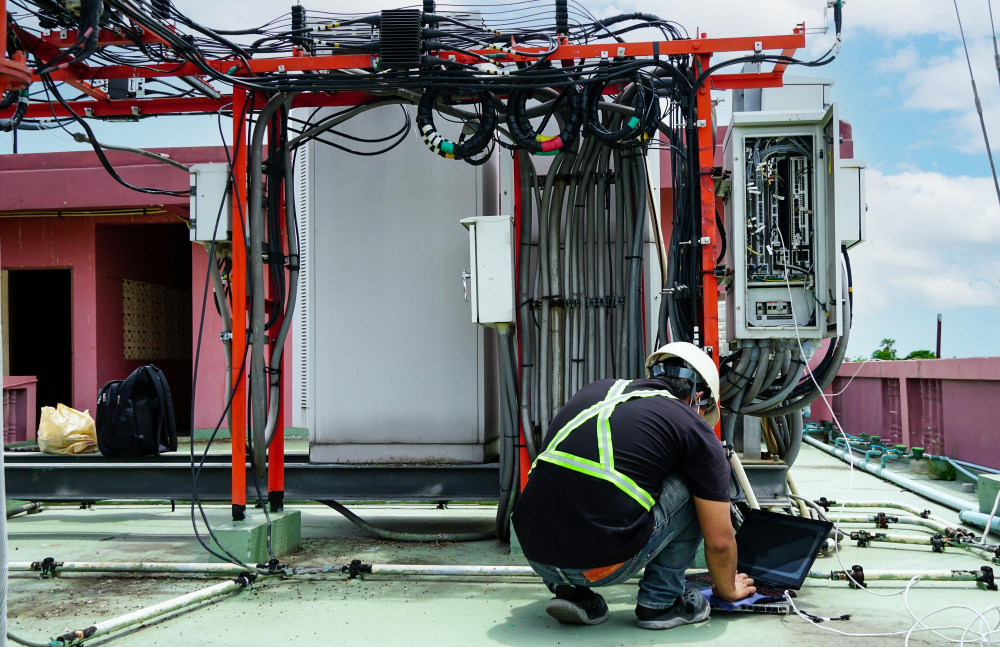
Your Denver home is handling more than ever before. Ten years ago, your electrical panel wasn't powering an EV charger, a smart home hub, and an induction stove. Today, these high-draw devices are common. This new demand is pushing older electrical systems to their limits. This trend is confirmed by local trade data, which shows electrical upgrades in Denver are being driven by rising household electrical demand, stricter local codes, and the growth of EVs and electrification. If you live in a classic Denver bungalow or a post-war brick home, your system likely wasn't designed for this load. This is why smart electrical upgrades denver co are no longer just about adding an outlet. They are about future-proofing your home's core infrastructure for safety and modern living.
Many homeowners don't think about their electrical panel until something goes wrong. You might see flickering lights when the A/C kicks on. Or maybe a breaker trips every time you use the microwave. These aren't minor quirks. They are signals that your system is overloaded. Ignoring them can create fire hazards and damage expensive electronics. A planned upgrade addresses these issues before they become emergencies. It ensures your home can safely support your lifestyle now and for years to come.
This isn't just about raw power. It's about strategic planning. Are you considering a kitchen remodel with a new electric range? Do you plan to install a hot tub or finish the basement? Each of these projects has specific electrical needs. A modern upgrade prepares your home's foundation for these additions. It gives you the capacity and safety features required by today's building codes and technology.
Quick answer: You should consider an electrical upgrade if your Denver home is over 25 years old, you're adding major appliances like an EV charger, or you experience frequent breaker trips. Modern upgrades increase your home's capacity and bring it up to current safety codes, preventing overloads and potential fire risks from new technology.
What's inside
What Does a Full Electrical Panel Upgrade Involve?
How Do You Plan for High-Draw Appliances and EV Chargers?
How Do You Vet a Denver Electrician (And What Should You Ask)?
────────────────────────────────────────
What Does a Full Electrical Panel Upgrade Involve?
You can find more at electrical upgrades denver co. A full upgrade replaces your main circuit breaker box to safely handle more power and meet modern safety standards.
The job's core is the panel swap itself. An electrician coordinates a temporary power shutoff with your utility provider. They then remove your old, outdated breaker box. A new panel with a higher amperage rating, typically 200 amps, is installed. This process usually takes most of a day.
A true upgrade often includes more than the box. Your electrician must inspect the service drop. This is the main power line from the utility pole. They also check the meter base, the housing for your electric meter. If these components can't handle the new amperage, they must be replaced. This part of the job requires direct coordination with Xcel Energy.
Inside the new panel, you get all new circuit breakers. Modern codes require specific types for different rooms. You'll see Arc Fault (AFCI) and Ground Fault (GFCI) breakers. These provide much greater protection against shock and fire than older models. A good electrician will also create a clean, clear label directory for you.
Seeing the difference between old and new systems can be helpful. A professional job looks organized, not like a tangle of wires. Browsing galleries of professional work can help you see what a clean, code-compliant installation looks like. This helps you set a clear expectation for quality.
The quality of the panel itself is crucial for long-term safety. Not all panels are built the same, even if they have the same amp rating. The material used for the internal bus bars makes a significant difference.
❝ Ask your electrician if the new panel uses copper or aluminum bus bars. Copper is a superior conductor and far more resistant to corrosion over time. It's a key sign of a quality installation worth the investment.
────────────────────────────────────────
How Do You Plan for High-Draw Appliances and EV Chargers?
You need to account for these devices with a formal load calculation and dedicated circuits for each major appliance.
Modern life runs on electricity. Items once considered luxuries are now standard. This includes powerful devices like Level 2 EV chargers, induction cooktops, and tankless water heaters. You can't simply add these to an existing system. Each one places a significant, continuous demand on your electrical panel. Planning for them is essential for a safe and functional home.
The first step is a professional load calculation. This isn't just adding up the wattage on your appliances. It's a detailed assessment defined by the National Electrical Code (NEC). An electrician calculates your home's total potential power usage. This helps determine if your current service is adequate or if you need a larger one. It's a critical step for future-proofing your home.
❝ When running a new circuit for a future appliance, ask about installing a larger gauge wire. The cost difference in wire is small compared to the labor. This gives you more capacity later without opening up walls again.
For any major appliance, you'll need a dedicated circuit. This means the device gets its own circuit breaker in the panel. It doesn't share power with anything else. This prevents overloads and ensures the appliance gets the consistent voltage it needs to operate correctly. It's a non-negotiable safety requirement.
Many common home upgrades require this special attention. You should plan for a dedicated circuit if you're adding any of these items: ✓ Electric Vehicle (EV) Chargers: A Level 2 charger typically needs a dedicated 40-amp or 50-amp, 240-volt circuit. ✓ Hot Tubs and Spas: These also require a high-amperage, 240-volt circuit with GFCI protection. ✓ Central Air Conditioners: Your A/C unit is one of the biggest power draws in your home and always needs its own circuit. ✓ Electric Ovens or Cooktops: An induction range can draw a massive amount of power and requires a dedicated line.
Thinking about your future plans is just as important. Tell your electrician if you might add a hot tub in two years. Or if you plan to finish the basement and add a workshop. They can plan the panel layout and run necessary wiring now. This saves you significant money and hassle down the road.
────────────────────────────────────────
How Do You Vet a Denver Electrician (And What Should You Ask)?
You vet an electrician by verifying their license and insurance, reviewing their past work, and getting a detailed, itemized quote.
Choosing the right professional is the most important part of your project. The quality of their work directly impacts your family's safety. Use a clear, consistent process to evaluate potential contractors. This helps you compare them fairly and make a confident decision. A structured approach removes guesswork and focuses on what truly matters for a safe, compliant upgrade.
Electrician Vetting Checklist
Always confirm that the permit cost is included and will be handled by the contractor.
How Do You Compare Bids Fairly?
You need to look beyond the final price and compare the scope, materials, and warranties line by line.
A low bid isn't always the best value. An unusually cheap quote can be a sign of cut corners, uninsured labor, or a misunderstanding of the project's scope. To make an informed choice, you must dig into the details of each proposal you receive.
Step 1: Ensure an Apples-to-Apples Scope. Confirm each quote includes the exact same work. Does one bid include drywall repair while another does not? Does each one specify replacing the meter base if needed? Small differences in scope can lead to big surprise costs later.
Step 2: Look Beyond the Bottom Line. Analyze the breakdown of costs. A professional quote will separate the cost of the panel, breakers, wiring, and other materials from the labor charges. This transparency helps you understand what you're paying for. It also makes it easier to spot where one contractor might be using lower-quality components.
Step 3: Ask About Materials and Warranties. Ask what brand of panel and breakers they use. Ask about the warranty on both the parts and the labor. A reputable electrician will stand behind their work with a clear, written warranty. This protects your investment for years to come.
❝ A low bid that omits permit fees isn't a deal. It's a red flag. Proper permitting is non-negotiable for safety, insurance, and your home's resale value.
What Key Terms Should You Know?
Understanding a few key terms will help you have a more productive conversation with your electrician.
You don't need to be an expert. But knowing the language helps you ask better questions and understand the answers you get. It empowers you to be an active participant in your own project.
A Master Electrician has the highest level of state certification. They have passed a standardized exam and have years of documented experience. A Journeyman Electrician is also licensed but works under the supervision of a Master Electrician. The NEC is the National Electrical Code. It's the nationwide standard for safe electrical installation that local Denver-area codes are built upon. Finally, a permit is the official approval from your city's building department. It ensures the planned work meets safety codes and will be inspected upon completion.
────────────────────────────────────────
Frequently Asked Questions About Electrical Upgrades in Denver CO
Here are answers to common questions homeowners have when planning a major electrical project.
Decision FAQs
How much does a full panel upgrade cost in Denver? For a standard 200-amp panel upgrade, you can expect to invest between $2,500 and $4,500. Ai reports that in 2024, most Denver‑metro homeowners pay $3,500 to $7,500 for a full 200 amp panel upgrade, including new panel, main breaker, grounding or bonding, permit, inspection, and typical labor. The final cost depends on whether your main service line from the utility pole also needs replacement. An exterior panel is often less labor-intensive than one in a finished basement. Complex jobs with underground service, trenching, or panel relocation run $6,000 to $12,000, per Ai.
What's a non-obvious sign I need an upgrade? Check your panel's brand. If you see the name "Federal Pacific" or "Zinsco," you should schedule an inspection immediately. These panels have known design flaws that can cause breakers to fail to trip. This creates a serious fire hazard.
Will an electrical upgrade increase my home's value? It won't add value like a new kitchen, but it removes a major objection for buyers. An old panel is a red flag on an inspection report. A modern, 200-amp panel is a sign of a well-maintained home, making it much easier to sell.
Technical & Process FAQs
How long will my power be out during the upgrade? You should plan for a full workday without power, typically 6 to 8 hours. The electrician coordinates with Xcel Energy for the main shutoff and reconnection. Most of the work happens during this single, planned outage, with power restored by evening.
What does the city inspection actually involve? The inspector verifies the work meets NEC and local codes. They check for proper grounding, correct breaker types, and secure connections. You just need to provide access; your electrician handles the scheduling and any technical questions from the inspector.
Can I add circuits later if I don't do it now? Yes, a new panel will have extra physical space for future circuits. However, running the actual wire is much cheaper while walls are already open. If you might add a hot tub later, ask to have the conduit run now to save significantly on future labor costs.